
300820.SZ

High-Quality Type 2 AC EV Charger 380V from Leading Supplier
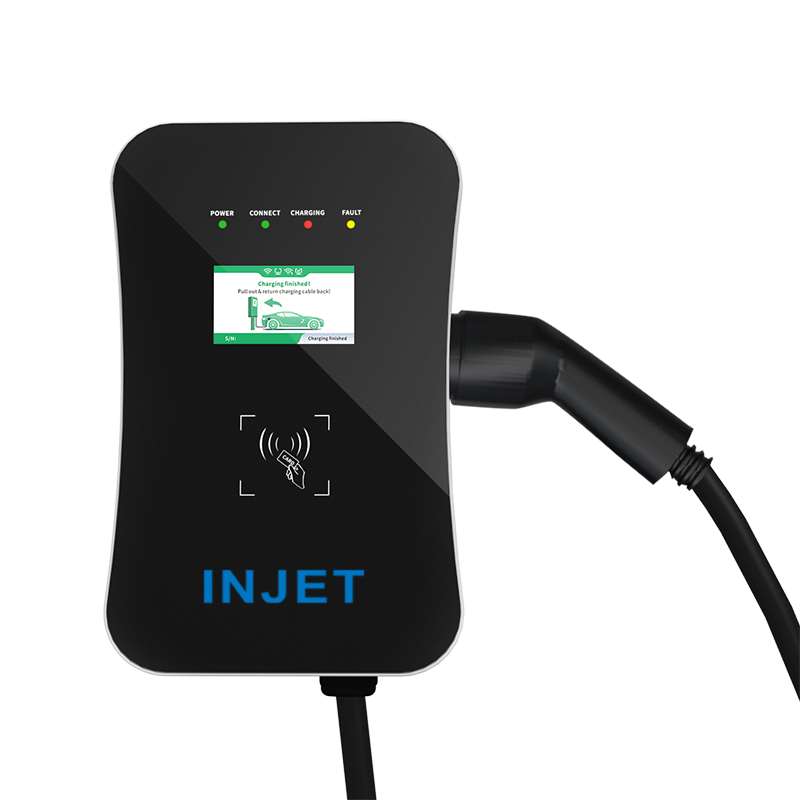
When I think about the future of electric vehicle charging, the Type 2 AC EV Charger 380V comes to mind as a top-choice solution. I’ve seen firsthand how this high-quality charger significantly enhances efficiency while providing reliable performance. As a supplier, I prioritize offering products that not only meet industry standards but also deliver exceptional durability. This charger is designed for seamless integration, making it perfect for businesses looking to enhance their EV infrastructure. Its robust construction ensures it can handle the demanding environments of commercial use, all while maintaining ease of use for customers. Plus, with fast charging capabilities, your clients will spend less time tethered to the station and more time on the road. By choosing the Type 2 AC EV Charger 380V, you’re investing in a product that speaks volumes about quality and reliability. So if you’re in the market for a charger that will elevate your service offerings, this is the one to consider.


Type 2 Ac Ev Charger 380v Application Leads the Global Market
The growing demand for electric vehicles (EVs) has created a significant market for EV charging solutions worldwide. Among the various innovations, Type 2 AC EV chargers, particularly those operating at 380V, are leading the way. These chargers are not only compatible with a wide range of electric vehicles but also deliver efficiency and reliability that global buyers are increasingly seeking. The architecture of these chargers allows for quicker and more effective charging, addressing a common concern among users regarding charging times. Moreover, the integration of advanced technologies into these chargers enhances user experience. Features such as smart charging capabilities, remote monitoring, and user-friendly interfaces make them an attractive option for fleet operators, charging station developers, and private users alike. Additionally, as governments worldwide push for greener technologies, there are various incentives and support systems in place that encourage investment in EV infrastructure, further leading to a robust market for these charging solutions. In conclusion, the adoption of Type 2 AC EV chargers at 380V is not just a trend; it reflects a necessary evolution in how we think about vehicle refueling. For procurement professionals looking to invest in the future of transportation, these chargers represent a strategic opportunity to meet the increasing needs of the EV market while aligning with global sustainability goals.
Type 2 AC EV Charger 380V Application Leads the Global Market
| Region | Market Share (%) | Growth Rate (%) | Main Applications | Technological Trends |
|---|---|---|---|---|
| North America | 25 | 15 | Residential, Commercial | Smart Charging Solutions |
| Europe | 35 | 12 | Public Charging Stations | Integration with Renewable Energy |
| Asia-Pacific | 30 | 20 | Fleet Charging, Public Transport | Fast Charging Technology |
| Latin America | 5 | 8 | Private Charging Solutions | Standardization Efforts |
| Middle East & Africa | 5 | 10 | Charging Infrastructure Development | Investment in EV Charging Networks |
Related Products



Type 2 Ac Ev Charger 380v Service in 2025
Top Selling Products


- Related Blog
- Reviews
